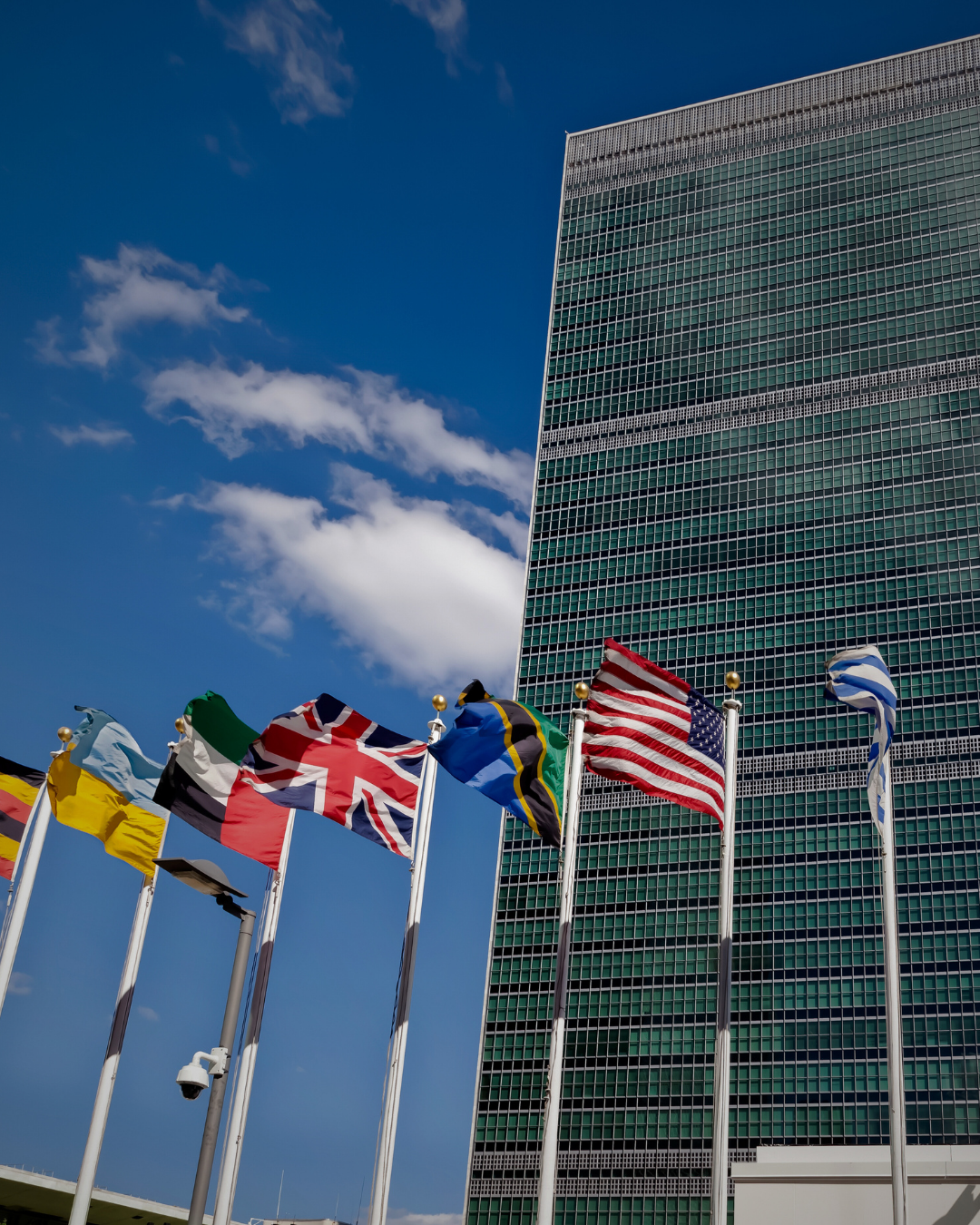
On Monday, Kenya joined 28 other nations in voting to renew the mandate of the United Nations Independent Expert on protection against violence and discrimination based on sexual orientation and gender identity. The move, passed by 29 votes to 15 (with 3 abstentions) at the UN Human Rights Council, is being celebrated as a reaffirmation of the international community’s commitment to documenting and addressing human rights violations against LGBTQ+ persons—especially in places where such abuse is widespread, entrenched, and state-backed.
Kenya’s vote in favour is especially notable in the regional context. Though Kenyan law still criminalises same-sex sexual activity under colonial-era legislation, the state’s position at the UN suggests a recognition—however cautious—of LGBTQ+ rights as human rights deserving international protection.
Kenya’s beloved neighbor; Uganda has entrenched itself as one of the continent’s most hostile environments for LGBTQ+ people, following the 2023 enactment of the Anti-Homosexuality Act. The law imposes life imprisonment for “homosexual acts” and even the death penalty for so-called “aggravated homosexuality.” It also criminalises the “promotion” of homosexuality, a vaguely defined charge routinely used to target community organisers, health workers, and human rights defenders.
This draconian legislation has fuelled a spike in violence, harassment, blackmail, and arbitrary arrests of LGBTQ+ Ugandans acts often perpetrated or condoned by the state itself. Civil society groups have documented security forces raiding shelters, shutting down organisations, and outing individuals on social media. At the same time, politicians have doubled down on moral panic and scapegoating, branding LGBTQ+ people as “un-African” in order to shore up domestic popularity and distract from governance failures.
Against this backdrop, Kenya’s vote to renew the UN LGBTQ+ expert’s mandate stands as a modest but meaningful gesture. It shows that even in contexts of criminalisation, states can choose to engage with international mechanisms for accountability and reform rather than deflect or deny the problem.
Of course, Kenya is far from a safe haven. LGBTQ+ Kenyans continue to face arrests, violence, and profound stigma, with politicians and religious leaders frequently inflaming anti-LGBTQ+ sentiment. But in international forums, Kenya’s vote signals an openness to acknowledging LGBTQ+ rights as part of the broader human rights framework—something Uganda’s government aggressively rejects.
While Uganda’s leaders entrench state-sanctioned abuse, Kenya’s vote reminds us that there is no single “African” position on LGBTQ+ rights. African states themselves are divided, and the push for equality is alive within the continent, led by activists, allies, and, occasionally, supportive policymakers.
At Kuchu Times Media Group, we believe it is critical to keep spotlighting these contrasts. They reveal that Uganda’s government does not speak for all Africans—and that our liberation is not a foreign agenda but a fight for our inherent dignity and rights, which no government should be allowed to strip away.