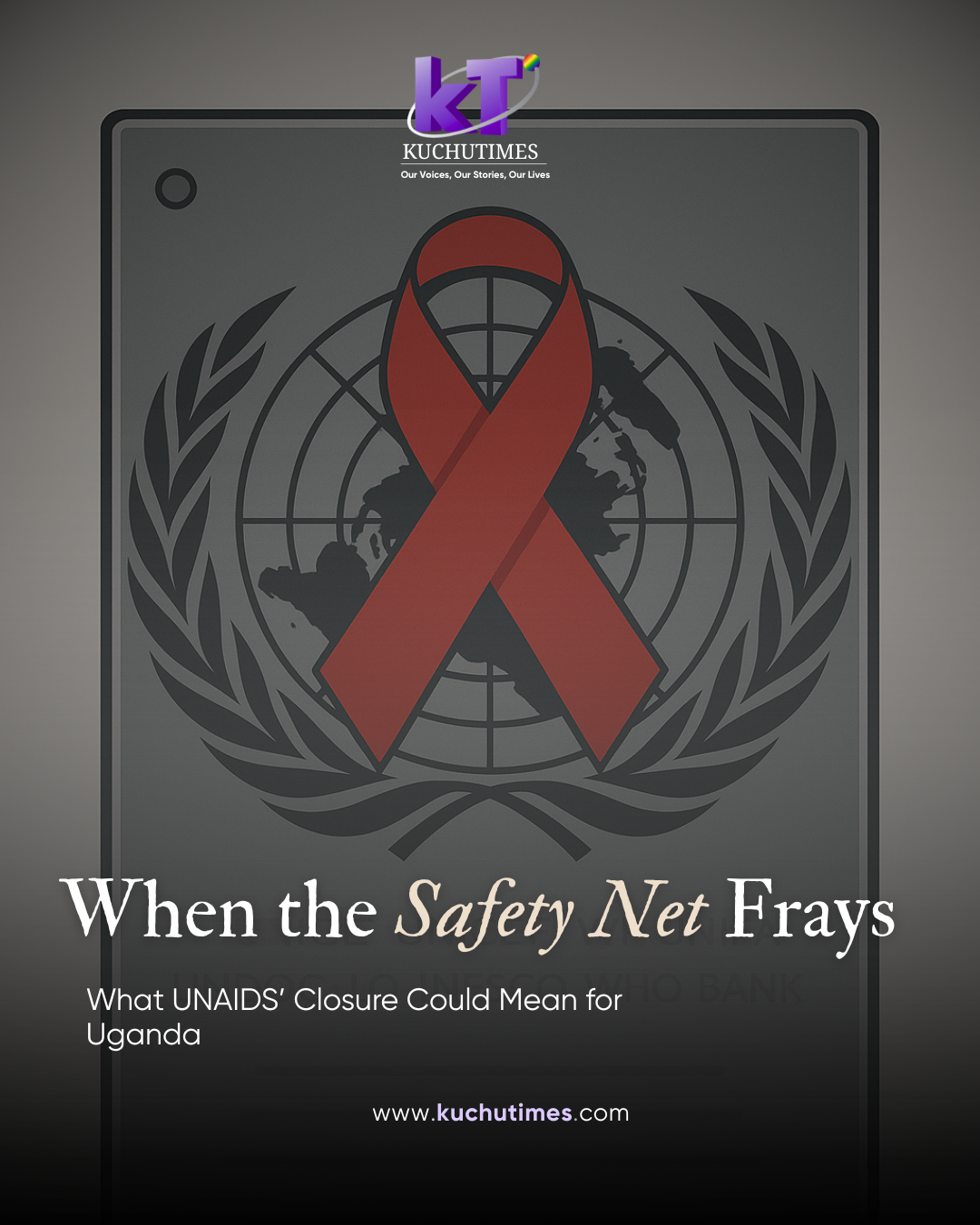
The recent proposal by the United Nations to close UNAIDS by the end of 2026 has raised alarm among health advocates worldwide. While it may appear to be a matter of restructuring international institutions, for Ugandans this decision could have far-reaching consequences. UNAIDS has been more than just a UN body — it has been a lifeline, a watchdog, and a partner in our fight against HIV/AIDS. Without it, we risk losing momentum in an epidemic that continues to touch the lives of millions of families.
Uganda’s history with HIV/AIDS is deeply personal. At the height of the epidemic in the 1990s, entire communities were devastated. Through awareness campaigns, international funding, and grassroots mobilization, Uganda made significant strides in lowering infection rates and expanding access to treatment. UNAIDS was central to this progress, ensuring that resources flowed into the country, that HIV remained a global priority, and that our unique challenges were recognized on the international stage. Its presence helped guarantee that HIV prevention and treatment were not left to chance or political will alone.
If UNAIDS is shut down and its functions absorbed into general UN health programs, much of this dedicated focus may be lost. For ordinary Ugandans, this could mean fewer community clinics receiving support, less pressure on the government to maintain ambitious HIV targets, and a reduction in tailored outreach programs that serve hard-to-reach populations. The ripple effect could be devastating: increased infections, more strain on an already stretched health system, and a reversal of hard-won gains in public health.
The closure also carries economic implications. Uganda’s healthcare system is heavily donor-dependent, particularly in areas of HIV/AIDS prevention and treatment. Many Ugandans rely on free or subsidized antiretroviral therapy to live healthy and productive lives. If funding streams shrink or become harder to access, families may face the impossible choice between paying for medicine or meeting daily needs like food and education. This would not only increase suffering at the household level but also threaten national productivity and economic stability.
Beyond the numbers, UNAIDS has played an important role in advocacy and accountability. Its presence ensured that governments remained focused on meeting international health commitments and that vulnerable groups — whether rural women, young people, or sexual minorities — were not forgotten. Without a dedicated body to champion these issues, Uganda risks slipping back into silence and complacency, where those most affected by HIV/AIDS have the least voice in shaping solutions.
For Ugandans, the message is clear: the fight against HIV is not over, and dismantling UNAIDS now could undo decades of progress. It is not simply an LGBTQ issue, nor a donor issue, nor a bureaucratic reshuffle — it is a national issue that affects families, communities, and the future of the country. Every Ugandan has either been personally touched by HIV or knows someone who has, and therefore every Ugandan has a stake in ensuring that support systems remain strong.
As 2026 approaches, we must demand that our leaders, both at home and abroad, protect the legacy of UNAIDS and safeguard the resources and programs it represents. If the global community allows this closure to proceed without robust safeguards, it will be Ugandans — the mothers, fathers, children, and friends who live with the daily reality of HIV — who pay the heaviest price.