A Familiar Song with a Different Tune
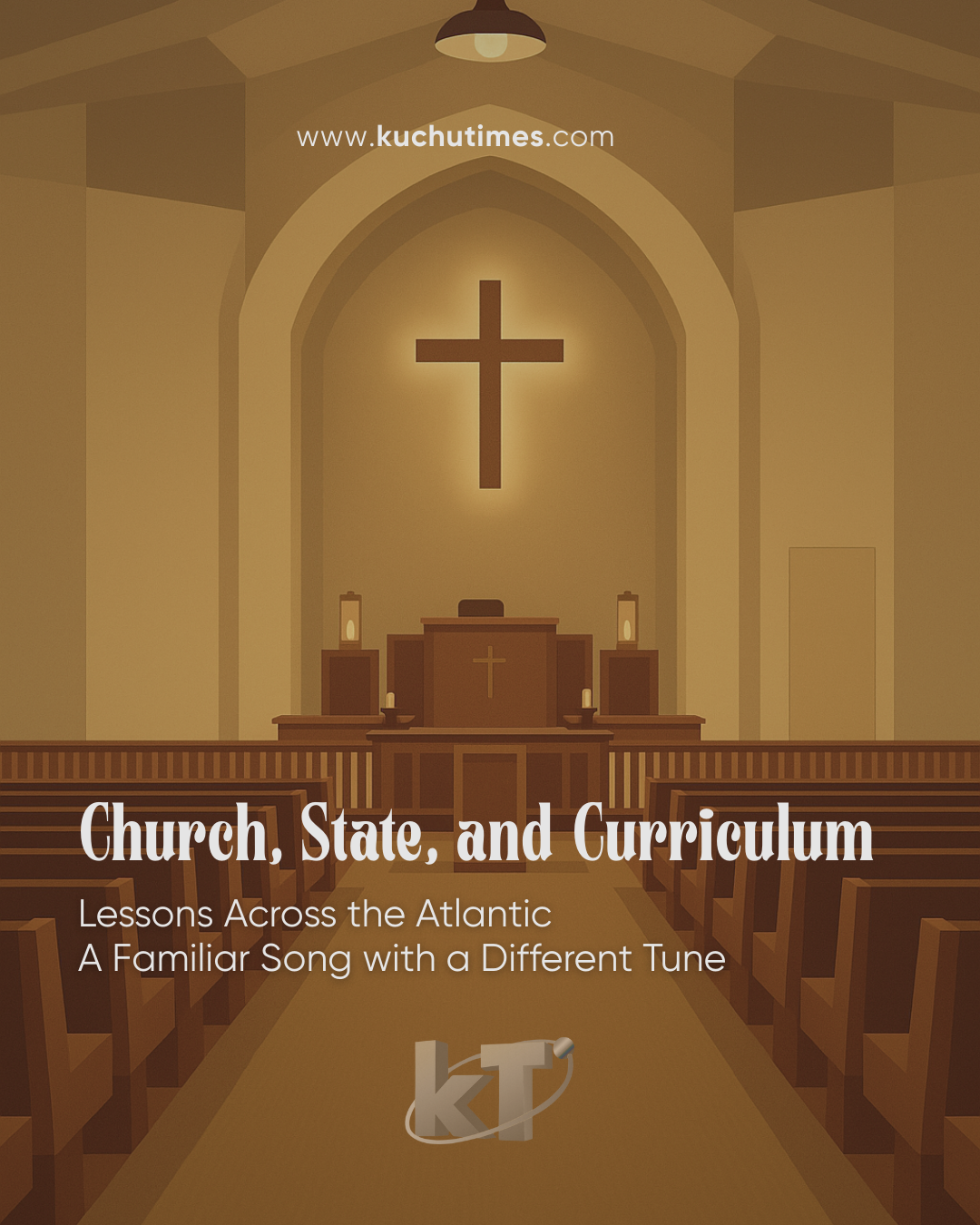
Reading about Christian nationalist influence in American schools, mandating biblical teachings, defunding public schools, and injecting religious doctrine into curricula—echoes too closely the patterns once seen in Uganda, albeit with different contours.
In the U.S., public schools, long pillars of inclusive, secular education, are becoming battlegrounds, facing challenges from ideologues intent on layering theology over textbooks. The recent piece highlights alarming developments such as Oklahoma’s new test to screen “woke” teachers, signalling a tightening grip of ideological conformity.
In Uganda, many rural and urban schools already navigate a complex tapestry of religious influence. Faith-based schools—both Christian and Muslim—are common, providing both access and doctrinal framing. The question we face is: what’s different when religious influence becomes state-sanctioned, not supplementary?
What Happens When Public Shaping Meets Divine Mandate
In the U.S., groups driven by Christian nationalism are deploying legal, legislative, and financial tactics—vouchers, executive orders, curriculum overhauls, and symbolic mandates like classroom Bibles—to reshape public schooling. The aim: weave religious narratives into civic life and marginalise dissent.
Contrast that with Uganda, where secular public and private institutions already contend with religious presence. We don’t yet see national-level mandates to impose Quranic or Bible studies in all public schools but fears remain. Could educational equity shift if resources started flowing preferentially to religious schools, or if teachers needed to conform to faith-based narratives?
Still, There Are Parallels and Warnings
- Purity vs. Pluralism:In both contexts, religious ideology often centres around preserving a certain moral order. In the U.S., “purity culture” rejects LGBTQ+ inclusion and modern scientific narratives. In Uganda, similar sentiments emerge in debates over sex education, civic rights, and LGBTQ+ topics—purity framed in religious terms risks impeding broad-based education.
- State Subsidies to Faith-Based Schools:In the U.S., increasingly affluent families reap the benefits of public vouchers for private religious institutions, while under-resourced public schools suffer. In Uganda, if government support tilted similarly, the wide gap between well-funded private schools and underfunded public schools could widen even more.
Voices from Home: What Ugandans Should Watch For
- Federal and local policy shiftstoward funding faith-based schools at the expense of public ones.
- Curriculum changesthat favour religious teachings over inclusive, evidence-based content, especially history, biology, or civic education.
- Teacher assessments or hiring filtersbased on religious or ideological motivations, resembling “woke tests” or loyalty requirements.
- Cultural erosion in schools, as pluralist values give way to religious conformity.
What We Can Learn and Resist
From the American story, we see that defending secular, inclusive education means vigilance: resisting the intertwining of state and religious doctrine, advocating for educational justice, and safeguarding diverse voices in classrooms.
In Uganda, as we witness policies and educational reforms unfold, it’s essential to promote inclusive, critical, and equitable education and pre-empt any slide toward religiously enforced curricula.
After all, a robust public education strengthens democracy. When churches or mosques replace classrooms with pulpits, the battle isn’t just about faith—it’s about who gets to mould the minds of tomorrow.