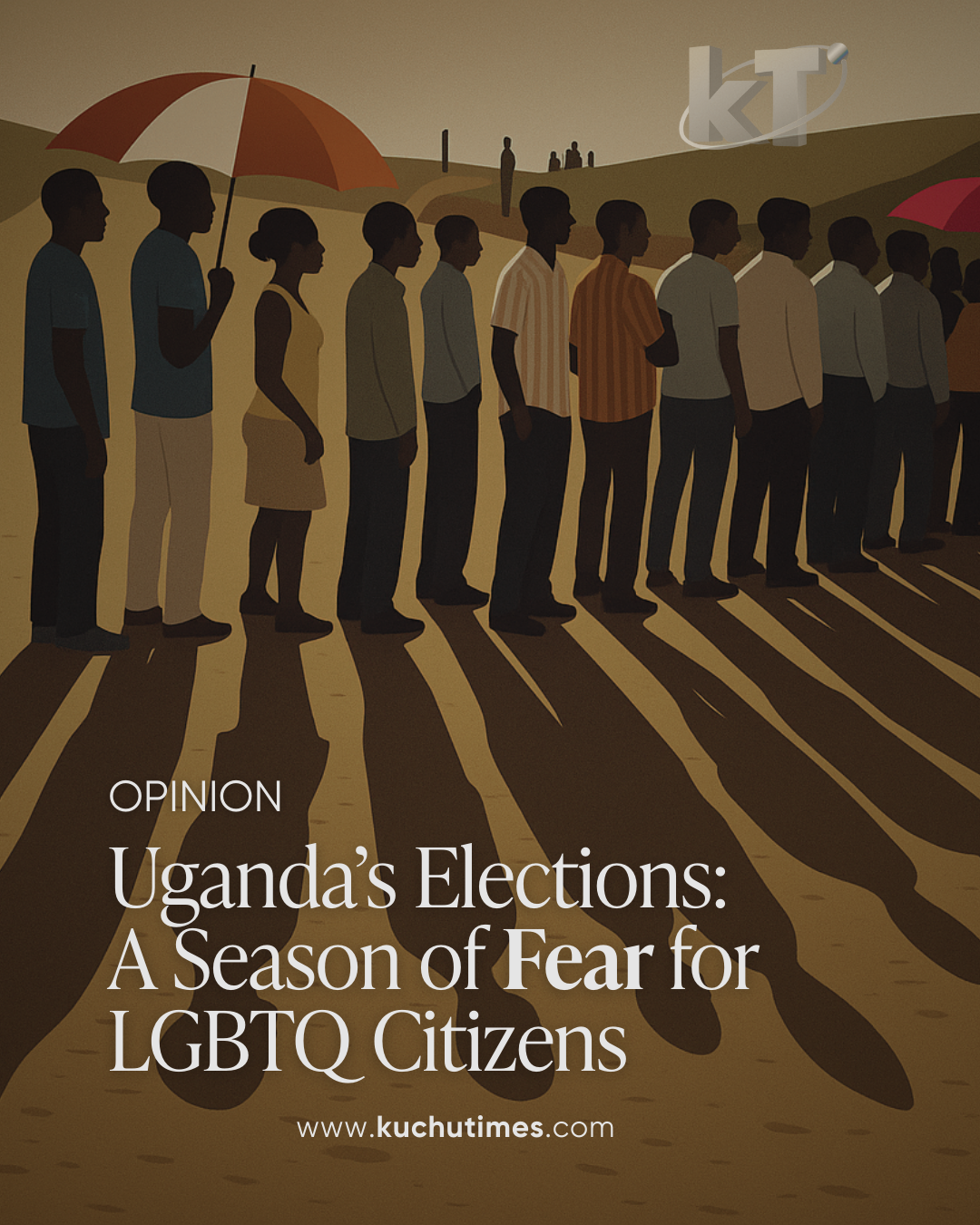
As Uganda approaches its 2026 general elections, much of the public discourse focuses on candidates, party alliances, and the promise of democratic renewal. Yet, for LGBTQ Ugandans, the ballot box represents something very different: a heightened period of fear and exposure. In a country where queer identities are criminalised and stigmatised, elections are not about expanding rights but about reinforcing repression.
Politicians have long weaponised LGBTQ identities to galvanise support, framing queer Ugandans as “threats” to culture and morality. Election season intensifies this rhetoric. Candidates brand themselves as protectors of tradition while scapegoating the LGBTQ community as symbols of foreign influence or social decay. These words are not empty—they often translate into real-world harm. Police raids on safe spaces, arbitrary arrests, and mob violence tend to escalate during these politically charged times.
This reality highlights the limits of Uganda’s democracy. For most citizens, voting is an opportunity to shape their future. For LGBTQ Ugandans, democracy is a façade: they cannot stand for office, advocate for their rights openly, or expect protection from the law. The very system that claims to empower people systematically denies them representation and participation.
Despite this repression, resilience endures in the shadows. Quiet community networks, underground support groups, and online platforms continue to offer solidarity. These spaces are fragile, but they are also lifelines—proof that even in a hostile political climate, hope persists. Still, each election cycle threatens to close these spaces further, eroding what little room remains for survival.
The international community must recognise that Uganda’s elections are not just a domestic affair. Global governments often condemn anti-LGBTQ laws while continuing to maintain lucrative ties with the leaders who enforce them. For queer Ugandans, this contradiction feels like abandonment. Meaningful solidarity requires more than statements—it requires funding grassroots initiatives, offering safe asylum, and holding leaders accountable for the human rights abuses carried out under the banner of electoral politics.
Ultimately, Uganda’s democracy should not be judged by the smooth transfer of power, but by how it treats its most marginalised. Until LGBTQ Ugandans can live openly, without fear of imprisonment or violence, elections will remain hollow rituals. As ballots are cast, the world must not forget those who cannot speak, cannot vote, and cannot live freely—the queer citizens whose struggle exposes the true cost of Uganda’s political games.

Leave a Reply