
KIGALI, Rwanda
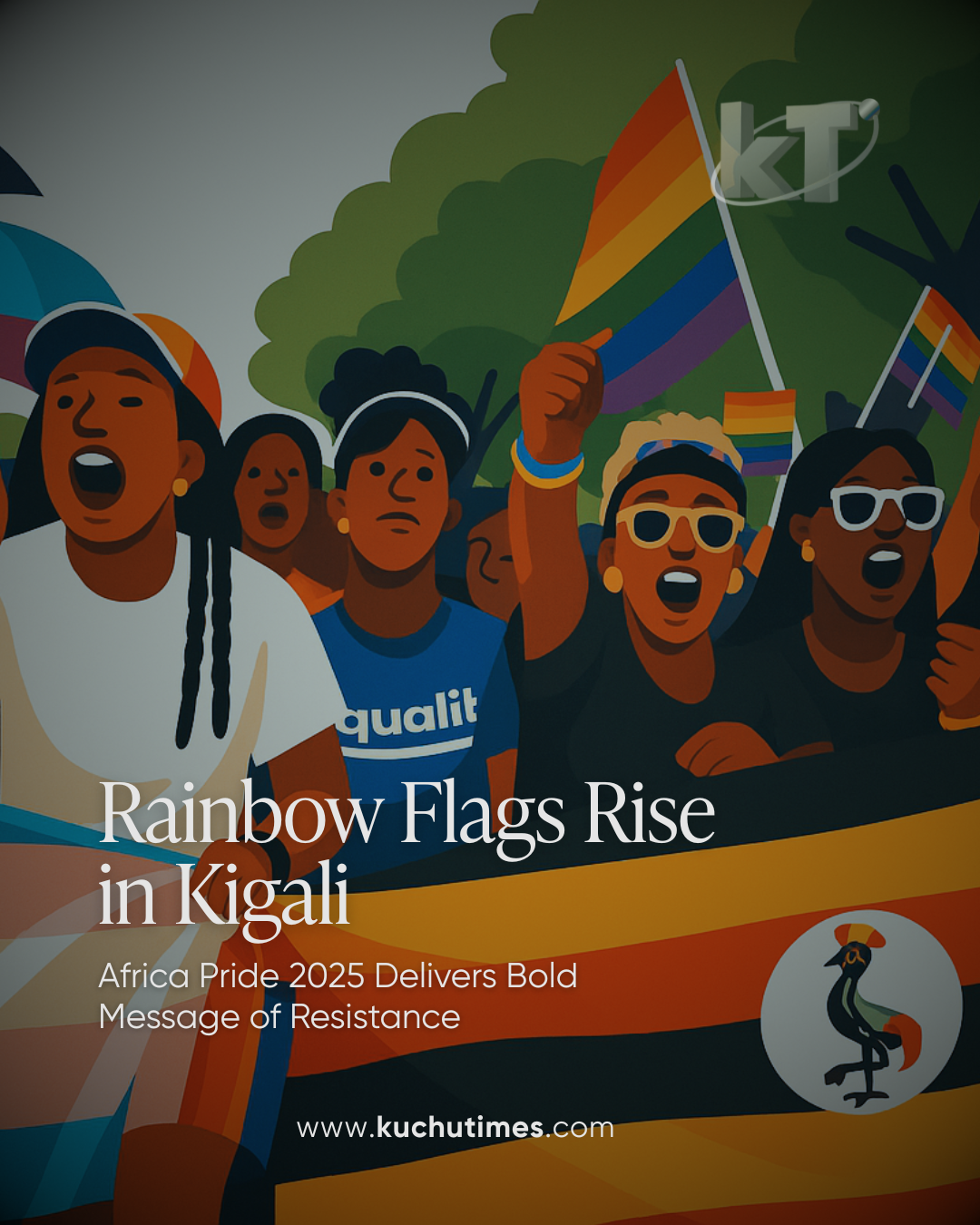
Against the backdrop of Rwanda’s rolling hills, hundreds of LGBTQ+ activists from across Africa gathered in late August for a conference: and a declaration of war against erasure.
Africa Pride 2025, hosted by Feminist Action Development Ambition (FADA) from August 27-29, transformed Kigali’s conference halls into a nerve center of resistance, where rainbow flags weren’t just symbols of identity but banners of defiance against a continent increasingly hostile to queer lives.
The stakes could not have been higher. Across Africa, anti-LGBTQ+ legislation continues to spread like wildfire. Uganda, in particular, has become ground zero for some of the world’s harshest anti-homosexuality laws, with its 2023 Anti-Homosexuality Act prescribing life imprisonment and even death penalties for certain same-sex acts. We as a country have also exported our blueprint of repression, with Ugandan-funded anti-rights groups spreading their influence across the region.
“We are not asking to be tolerated, we are demanding to be freed,” declared South Africa’s Deputy Minister Mmapaseka Steve Letsike during her keynote address, her words cutting through the conference hall with the precision of someone who understands that freedom is not negotiable.
Kenyan activist Esther Adhiambo captured the urgency driving the gathering: “An attack on one community is an attack on all.” Her message resonated particularly strongly with Ugandan participants, who have witnessed firsthand how anti-rights movements use their country as a launching pad for continental campaigns of hate.
The conference’s workshops revealed the complex realities facing grassroots organizations, many operating without formal registration yet deeply embedded in their communities. “Flexibility and direct impact are our strengths,” emphasized one participant, highlighting how underground networks often prove more effective than established NGOs in reaching vulnerable populations.
This grassroots approach carries special significance for Uganda’s movement, where formal organizations face constant surveillance and harassment. The country’s activists have had to master the art of operating in shadows, building trust networks that can survive when legal structures crumble.
The Power of Testimony
The conference’s most powerful moment came during an emotional testimony from Hassna Murenzi, FADA’s Executive Director, who spoke unflinchingly about stigma, hate, and the daily battle for survival. Her words transformed the room’s energy from reflection to fierce resolve, embodying what many Ugandan activists know intimately—that survival itself is an act of resistance.
Panel discussions mapping “The Road Ahead” took on particular weight given Uganda’s role as both victim and unwitting laboratory for anti-LGBTQ+ strategies. Diplomatic allies, including representatives from Canada and the UK, emphasized the principle of “Nothing about us without us,” while activists stressed that sustainable change must emerge from community-driven initiatives rather than external impositions.
For Uganda’s representatives, these discussions offered more than strategy—they provided validation that their underground networks and survival tactics represent legitimate forms of organizing, not lesser versions of activism.
Joyful Resistance
Perhaps most subversive of all were the evenings filled with cocktails, dancing, and laughter. In a region where joy itself has been criminalized for LGBTQ+ individuals, these celebrations carried profound political weight. As Adhiambo noted, “We dance not because the fight is over, but because we are still here.”
For Ugandan activists accustomed to operating in fear, these moments of open celebration demonstrated what freedom could look like. Every flag raised, every kiss shared, every act of love became an act of resistance against laws designed to erase their very existence.
The conference also included a sobering visit to the Kigali Genocide Memorial, serving as a stark reminder of what unchecked hate can accomplish. For activists from Uganda—where anti-LGBTQ+ rhetoric increasingly echoes the dehumanizing language that historically precedes mass violence—the memorial visit carried particular resonance.
A Continental Commitment
As participants prepared to return to their home countries, many carrying the weight of criminalization laws and social stigma, Africa Pride 2025 had accomplished something remarkable. It had proven that despite funding crises, violent stigma, and repressive legislation, Africa’s LGBTQ+ movement remains unbroken.
For Uganda’s activists heading home to one of the world’s most hostile legal environments, they carried with them more than inspiration—they carried proof that resistance is possible, that community transcends borders, and that even in the darkest circumstances, joy remains a revolutionary act.
The message from Kigali was clear: African queer movements will not be erased. Not by Uganda’s harsh laws, not by the anti-rights groups that use the country as their continental headquarters, and not by any force that seeks to deny the fundamental humanity of LGBTQ+ Africans.
In a continent where love has been criminalized, Africa Pride 2025 stood as a three-day testament to the radical power of refusing to disappear.

Leave a Reply